Restorative Dentistry
Dental Crowns That Look and Feel Natural
Custom dental crowns designed to restore damaged or weakened teeth with natural color, shape, strength, and a comfortable bite.


Restorative Dentistry
Custom dental crowns designed to restore damaged or weakened teeth with natural color, shape, strength, and a comfortable bite.
What is a dental crown?
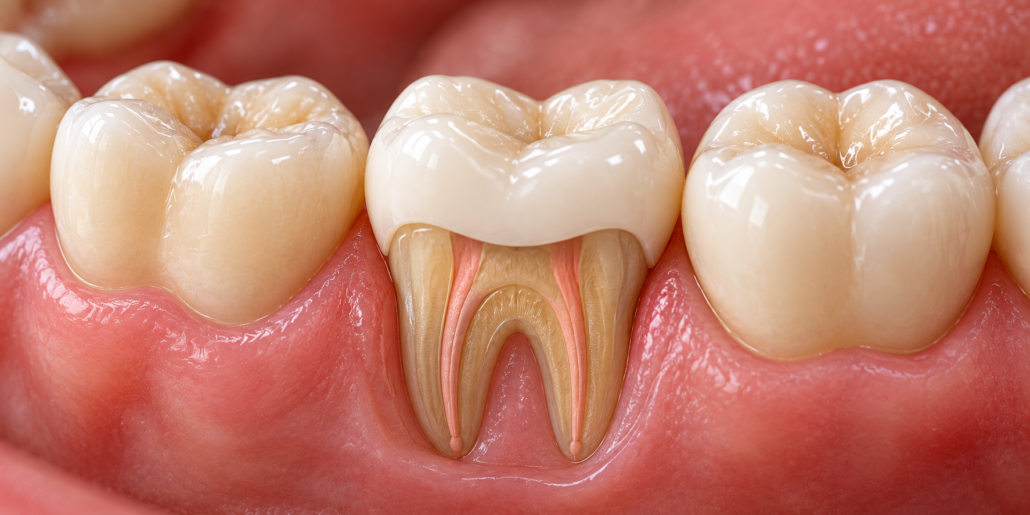
A dental crown is a custom restoration that covers and protects a damaged or weakened tooth. It can restore a tooth that is cracked, worn, heavily filled, or structurally compromised, rebuilding its shape and strength so you can bite and chew comfortably again.
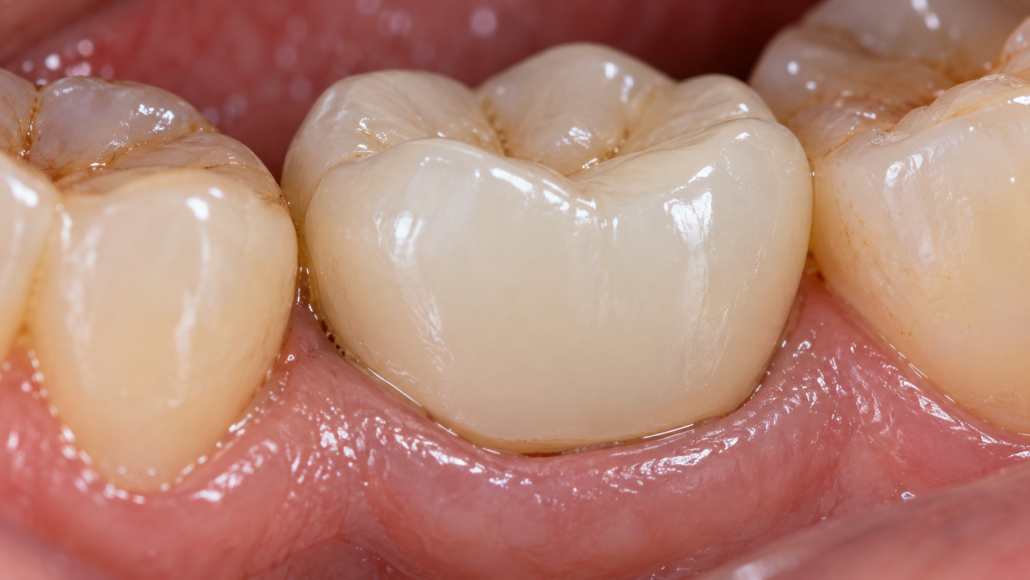
Each crown is designed to complement the surrounding teeth in color, shape, and proportion, so the restored tooth looks natural and feels like it belongs in your smile.
Is this you?
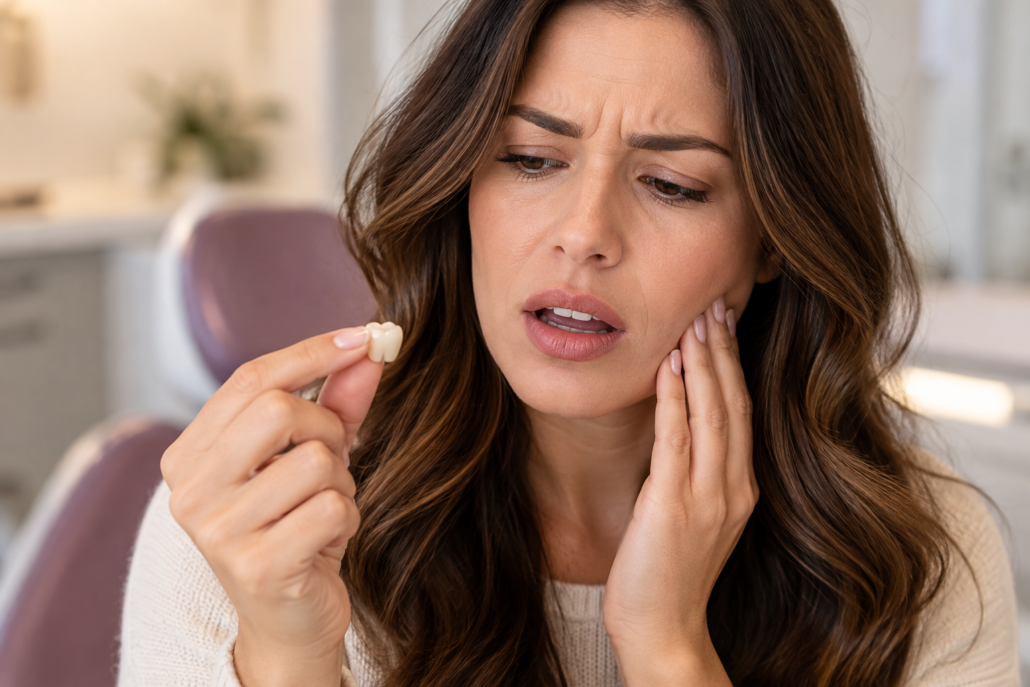
If a tooth hurts when you bite or you've been nursing it along, it's worth having it looked at. Addressing it early may mean preserving more of your natural tooth.
A crown is usually the answer when a tooth is too damaged for a simple filling but still worth saving. That includes a tooth that:
Cracked, chipped, or broken (a popcorn kernel and an old filling are common culprits)
Has a large filling that keeps failing or feels weak
Just had a root canal and needs protection
Is worn down from grinding or years of use
Has an old crown that looks dark, bulky, or doesn't match anymore
Crown vs. filling
Filling
A dental filling repairs a smaller area of decay or damage while preserving most of the natural tooth. The damaged portion is removed and replaced with a tooth-colored material that restores the tooth's shape and function.
Repairs what's damaged.
Crown
A dental crown is used when a tooth has lost too much healthy structure for a filling alone to provide enough support. The crown covers the visible portion of the tooth, restoring its shape and strength while helping protect what remains underneath.
Protects what's left.
What to expect
The tooth is comfortably numbed and carefully shaped to make room for the crown. We then capture the details needed to create your restoration. In most cases, you'll leave with a temporary crown protecting the tooth while your final crown is being made.
Dr. Rudat considers the shade, shape, translucency, and proportions of the surrounding teeth when designing your crown. The goal isn't simply to match the color. It's to create a restoration that belongs naturally in your smile.
At the final visit, Dr. Rudat checks the crown's fit, appearance, and how it meets the opposing teeth when you bite. Once everything feels right, the crown is securely bonded into place and should feel like a natural part of your smile.
Materials & lifespan
Modern dental crowns can be made from porcelain, ceramic, or other durable materials selected for the tooth being restored. For teeth that show when you smile, the priority may be creating natural color and translucency. For back teeth, strength and the forces of your bite become especially important.
With good brushing, flossing, and regular dental care, a well-made crown can last for many years. Habits such as grinding, clenching, or chewing ice can shorten its lifespan, so Dr. Rudat may recommend a nightguard when additional protection makes sense.



Cost & financing
Typical Range
$1,000 – $2,500
Per custom porcelain or ceramic crown
Complex Cases
Up to $3,000
Premium materials or a more complex tooth
Crown cost depends on the material, which tooth is being restored, and whether the tooth needs any other treatment first.
If your dental insurance covers crowns as a major service, your out-of-pocket cost may be lower. Our team will review your benefits and explain available financing options before treatment begins.
After Dr. Rudat examines the tooth, you'll receive a clear, itemized estimate for the treatment being recommended so you know what to expect before making a decision.
Why Dr. Marta
You're not just choosing a procedure. You're choosing the person who will do it. Here's a little about Dr. Rudat:
What that adds up to for you: careful planning, restorations that fit your bite, and a result that looks natural instead of obvious.

In their words
For over 15 years, Dr. Marta has been grateful to earn the trust of her patients, reflected in hundreds of five-star reviews.
Dr. Rudat and her team are great! I've been very happy with her work and advice, both for fixing problems (like adding a crown and cleaning teeth) and improving gum health. No pain and all around pleasant experience.
Knowing I needed some root canals done she was able to work alongside a root canal specialist and crown a couple of my back teeth. She really did work a miracle. If price is an issue like it was for me they can work with you.
She took the extra time to answer any of my questions and give me peace of mind. The details matter to Dr. Rudat! Even though the new crown is not easily visible, Dr. Rudat wanted the appearance and feel to be as close to perfection as possible.
Frequently Asked
1. How long do dental crowns last?
Dental crowns can last many years, but longevity depends on the crown material, the tooth being restored, bite forces, and other clinical factors. Recent systematic reviews report high short- and medium-term survival for modern ceramic crowns, with some materials showing strong results beyond five years.
Do I need a crown or a filling?
A filling can restore a tooth when enough healthy structure remains. A crown provides more complete coverage when the tooth has been substantially weakened. The decision depends on how much healthy tooth remains, the location of the damage, and the forces the tooth must withstand.
Do I need a crown after a root canal?
Not every root canal-treated tooth requires exactly the same restoration, but crowns are commonly used when the remaining tooth needs additional protection. Systematic reviews have found better survival among root canal-treated teeth restored with crowns than those restored with direct restorations.
Can a cracked tooth be saved with a crown?
Often, yes. Whether a cracked tooth can be saved depends on the location and extent of the crack and the health of the remaining tooth. When the tooth is restorable, covering and protecting it with a crown can improve its chances of long-term survival.
What is the best material for a dental crown?
There isn’t one crown material that’s best for every tooth. Zirconia and lithium disilicate are both widely used modern ceramic materials, and clinical evidence supports strong survival for both. The appropriate material depends on the tooth, bite forces, available tooth structure, and aesthetic goals.
Are ceramic crowns strong enough for back teeth?
Modern ceramic crowns can be used successfully on posterior teeth when the material and restoration are selected appropriately. Systematic reviews of lithium disilicate and zirconia crowns report high clinical survival, although outcomes vary by material, restoration design, and follow-up period.
How long do ceramic crowns last?
Long-term results vary by material. A 2025 review of systematic reviews found approximately 95–100% short- and medium-term survival for lithium-disilicate single crowns, while noting that evidence beyond five years is more limited. Newer zirconia research also reports high long-term survival for single crowns.
Can you get a cavity under a crown?
Yes. The tooth underneath a crown is still natural tooth structure and can develop recurrent decay. Clinical research on ceramic crowns identifies recurrent caries among the biological complications that can contribute to restoration failure.
Can grinding or clenching damage a crown?
Heavy bite forces can influence the mechanical demands placed on a crown. Crown material, restoration design, tooth position, and the patient’s bite therefore matter when planning the restoration.
How much does a dental crown cost?
At our practice, a custom porcelain or ceramic crown typically ranges from $1,000 to $2,500, with some complex cases or premium materials reaching about $3,000. Your cost depends on the tooth, material, and whether additional treatment is needed. Insurance may reduce your out-of-pocket cost.
Don't wait on a broken tooth
If a tooth has cracked, broken, or suddenly become painful, it's worth having it looked at sooner rather than later. Prompt care may preserve more of your natural tooth and help determine whether a crown can protect and restore it.
Continue reading
Treatment begins with a personal consultation
A quick exam can determine whether a crown can save your tooth and what treatment would involve.