Restorative Dentistry
Full-Mouth Reconstruction for Worn, Broken & Missing Teeth
Rebuild your teeth with a phased treatment plan designed to restore your bite, function, and natural-looking smile.


Restorative Dentistry
Rebuild your teeth with a phased treatment plan designed to restore your bite, function, and natural-looking smile.
What is full-mouth reconstruction?
Full-mouth reconstruction is a personalized treatment plan for repairing or replacing multiple worn, broken, damaged, or missing teeth. Depending on what can be saved and what needs to be replaced, treatment may combine fillings, crowns, bridges, dental implants, and dentures to rebuild your bite, restore function, and create a natural-looking smile.
Rather than treating each problem separately, the entire mouth is planned as a whole, often in carefully sequenced phases.
Is this you?

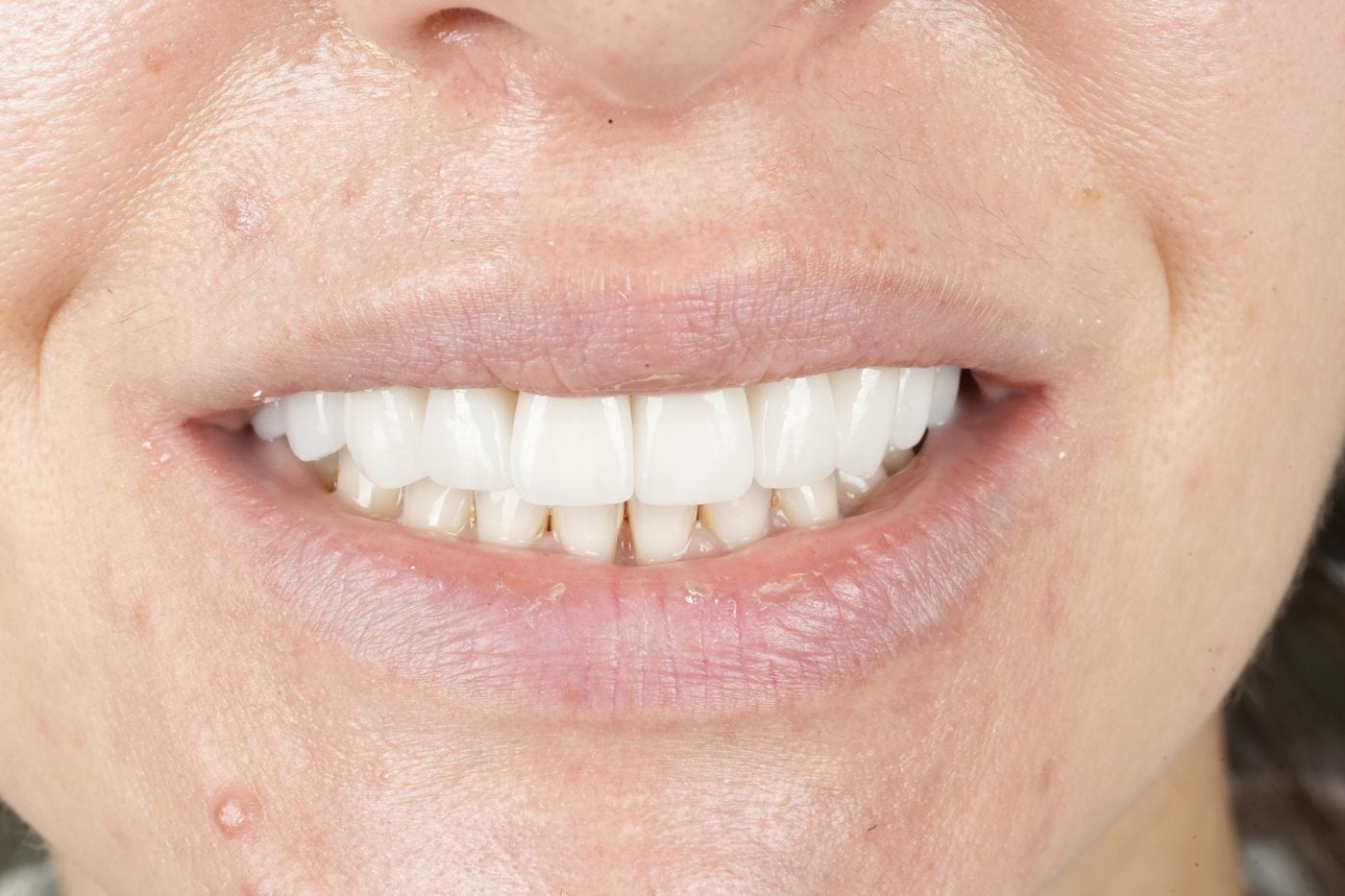
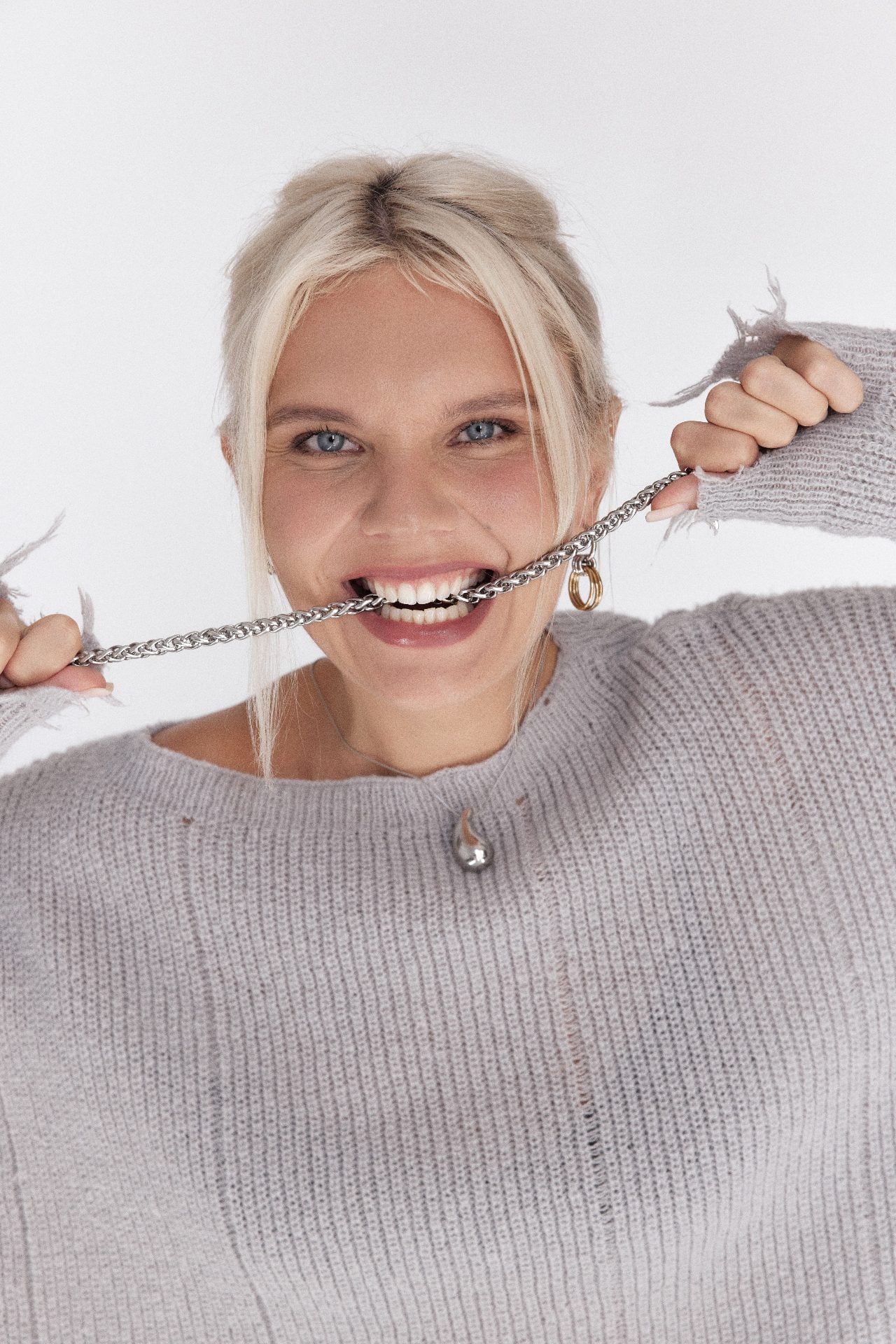
This is for bigger situations, where one filling won't fix it. You might be a candidate if you:
Have several teeth that are broken, missing, worn down, or failing
Have been told you need “a lot of work” and feel overwhelmed by it
Struggle to chew, or get headaches and jaw pain from a bite that's off
Have a mix of old crowns, fillings, and gaps that no longer hold up
Want to stop patching things one at a time and address it all with a real plan
If you've been avoiding the mirror or the dentist because the list feels too long, this page is for you. The whole point of reconstruction is to make a big problem feel manageable.
The Process
The fear with a big case is usually “everything, all at once, and a number I can't handle.” That's not how Dr. Rudat does this.
Pain, a front tooth, chewing, whatever's top of mind. That gets attention first.
Dr. Rudat examines your teeth, gums, bite, and existing dental work, often with 3D imaging, so the plan is built on facts, not guesses.
Urgent things first, then the rest in a sensible order over weeks or months. You always know what's next and why.
The goal is a bite that works for the long haul and a smile that looks like you, planned with Dr. Rudat's cosmetic training.
Treatments
Every reconstruction is different. Yours might combine a few of these, depending on what your mouth needs.
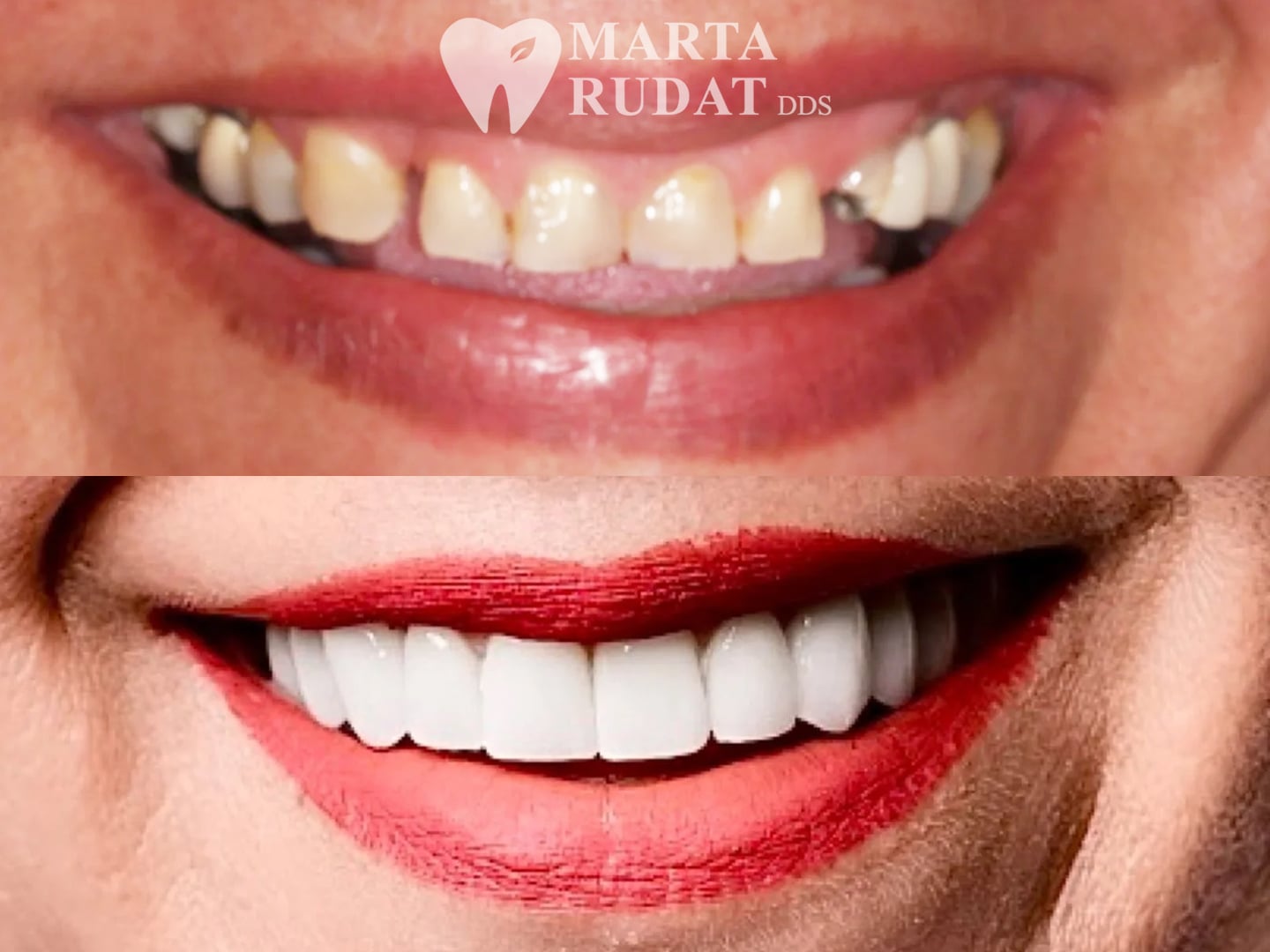
Rebuild and protect teeth that are worn, cracked, or broken, so they're strong enough to use again.

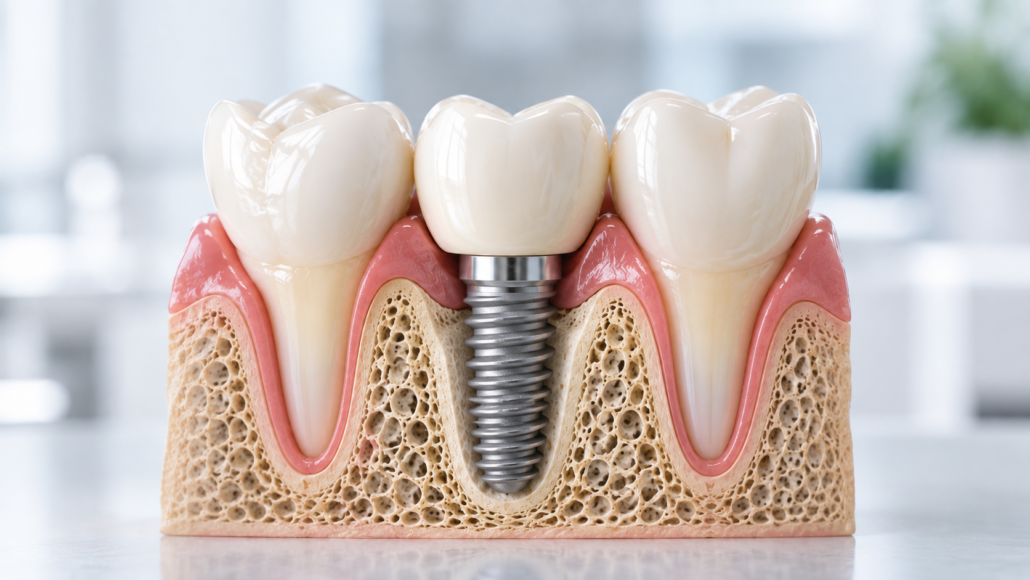
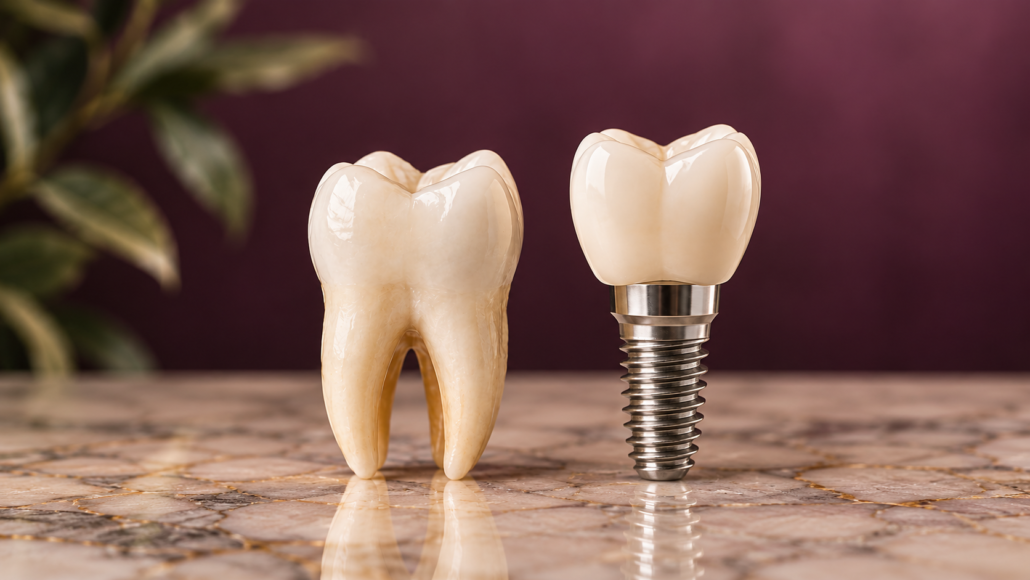
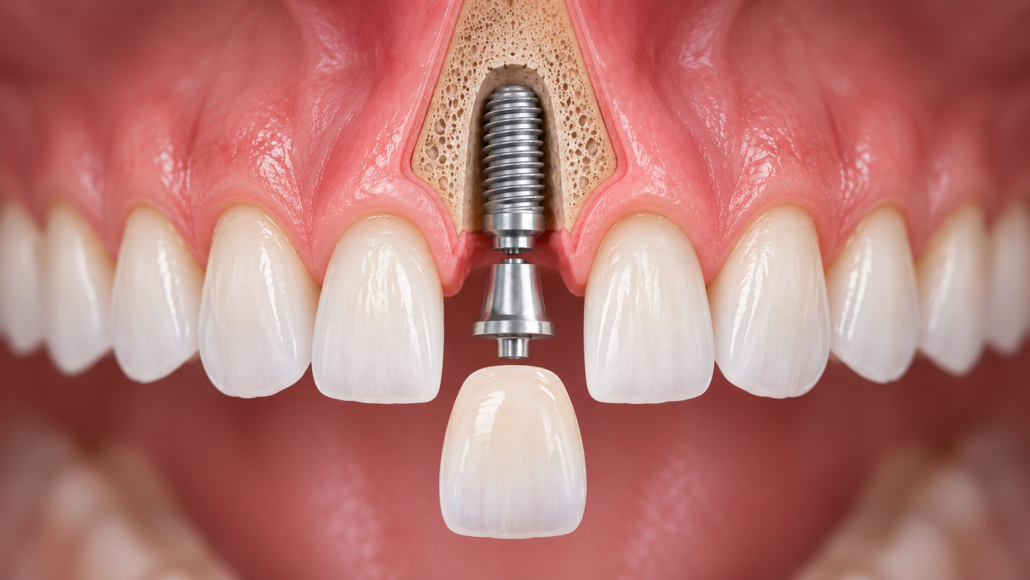
Replace missing teeth at the root, so the new tooth is stable and stands on its own.

Replace several or all of your teeth, including implant-supported options that stay secure.
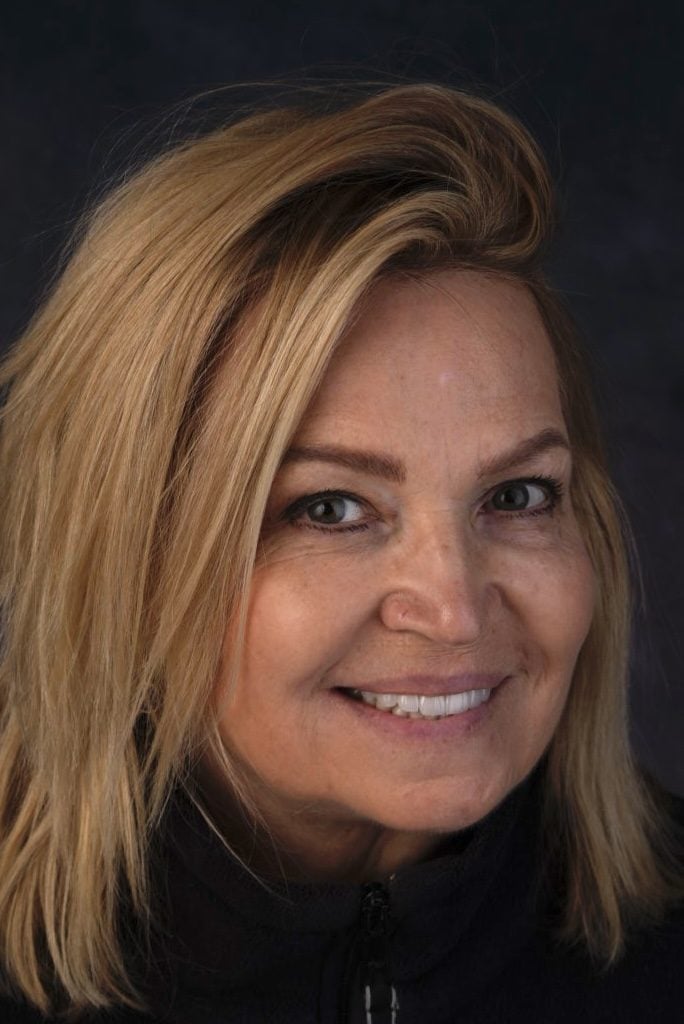
Adjust how your teeth meet and refine the final look, so everything works and looks right together.
Dr. Rudat explains which pieces your case calls for, and which it doesn't, so nothing happens that you don't understand.
Why Dr. Marta
You're not just choosing a procedure. You're choosing the person who will do it. Here's a little about Dr. Rudat:
Complex cases are where training really shows. Dr. Rudat plans the whole mouth as one connected system, so your bite, your face and your smile end up working together.

In their words
For over 15 years, Dr. Marta has been grateful to earn the trust of her patients, reflected in hundreds of five-star reviews.
My smile has never looked better, but more importantly, my confidence and overall outlook on dental care have completely transformed. Dr. Marta Rudat has not only improved my teeth and my health, but has also restored my trust in dentistry.
I was searching for a dentist. I’m so glad to find Dr. Marta. I wanted veneers and Dr. Marta went above and beyond my expectations. She brought back my confidence and smile. I highly recommend Dr. Marta for your dental needs.
Dr. Marta Rudath and her staff are the best. Dr Rudat made me feel very comfortable. When I came in I was embarrassed to smile, but now with my new teeth I have more confidence. I would highly recommend her to anyone.
Cost
This is one of the most variable treatments in dentistry because no two reconstructions involve the same teeth or the same steps. That's exactly why phasing helps: the work, and the cost, can be spread out over time.
To give you a sense of the range, here's how some common approaches tend to land across Southern California.
Crown-and-Bridge Rebuild
$10,000 – $45,000+
Rebuilding worn or broken teeth without full-arch implants. Cost depends largely on how many teeth are involved.
Full-Arch Implants
$18,000 – $30,000
Per arch. Replaces a full upper or lower row with a fixed implant-supported set.
Full-Mouth · Both Arches
$30,000 – $60,000+
Rebuilding the entire bite across the upper and lower teeth.
Individual Implants
$60,000 – $90,000
A complex case rebuilt tooth by tooth. Final cost is case-dependent.
These are general Southern California ranges, not quotes. Your cost depends on how many teeth are involved, the materials used, whether preliminary treatment such as extractions or bone grafting is needed, and how the plan is phased.
After Dr. Rudat evaluates your teeth, gums, and bite, our team walks you through the plan, the estimated cost of each phase, what insurance may cover, and financing options. You'll never be handed one giant number with no path through it.
Insurance may cover part of the restorative treatment, such as crowns or extractions, as major services, while implant coverage varies by plan. Because benefits typically reset each year, phasing a larger case across more than one calendar year may help reduce your out-of-pocket cost.
No Judgment
When a lot needs doing, it's easy to freeze. People worry about being judged, about the cost, about hearing bad news, so they put it off another year. Dr. Rudat sees this all the time, and there's zero judgment in this office.
You don't have to have a plan, a budget, or even all your questions ready. You just have to come in once, and we'll show you what's possible and where to begin.

Frequently Asked
What is full-mouth reconstruction?
Full-mouth reconstruction is a personalized treatment plan for restoring multiple damaged, worn, or missing teeth. Depending on the condition of your mouth, treatment may combine restorations, crowns, implants, or other therapies to rebuild function and appearance.
Can badly damaged or “rotten” teeth be fixed?
Sometimes. The decision to save or remove a compromised tooth depends on factors such as remaining tooth structure, periodontal support, infection, restorability, and expected long-term prognosis. A compromised natural tooth does not automatically need to be replaced with an implant.
How do you decide which teeth can be saved and which need to be replaced?
Each tooth is evaluated individually as part of the overall treatment plan. Research supports considering periodontal health, structural condition, prognosis, and whether the tooth can be predictably maintained rather than assuming extraction and implant replacement are always preferable.
Do I need to replace all my teeth for a full-mouth reconstruction?
No. Full-mouth reconstruction does not automatically mean removing all of your teeth. Contemporary rehabilitation emphasizes individualized and minimally invasive treatment, preserving healthy tooth structure whenever clinically appropriate.
Can severely worn-down teeth be rebuilt?
Yes, in appropriate cases. Recent evidence supports both direct and indirect minimally invasive restorations for moderate to severe tooth wear, with the treatment and materials selected according to the amount of tooth structure lost and the patient’s needs.
Can full-mouth reconstruction fix my bite?
It can be designed to restore how the teeth come together when tooth wear, tooth loss, or failing restorations have affected the bite. Changes to the bite and vertical dimension require careful diagnosis and individualized planning.
Can full-mouth reconstruction be done in phases?
Yes. Complex rehabilitation can be sequenced according to the patient’s clinical needs, and an evaluation or interim phase may be useful before definitive treatment. This can also help refine the treatment sequence and allow the patient and dentist to evaluate proposed changes.
Are temporary teeth or restorations used during full-mouth reconstruction?
They can be. Interim restorations may be used to evaluate changes in the bite, function, appearance, and treatment sequence before definitive restorations are completed.
Can full-mouth reconstruction help me chew better?
Improving oral function is one of the primary goals of extensive dental rehabilitation. Recent research evaluating oral rehabilitation has documented changes in jaw function and oral-health-related quality of life during treatment, while implant-supported full-mouth rehabilitation has also been associated with reduced functional limitations.
Will full-mouth reconstruction look natural?
That is one of the treatment-planning goals, but the result depends on the individual case and restorative approach. Contemporary full-mouth rehabilitation considers esthetics alongside function while emphasizing conservative treatment and preservation of remaining tooth structure.
Continue reading
Designed around you, from the beginning
One consultation turns a long list of worries into a clear, step-by-step plan.