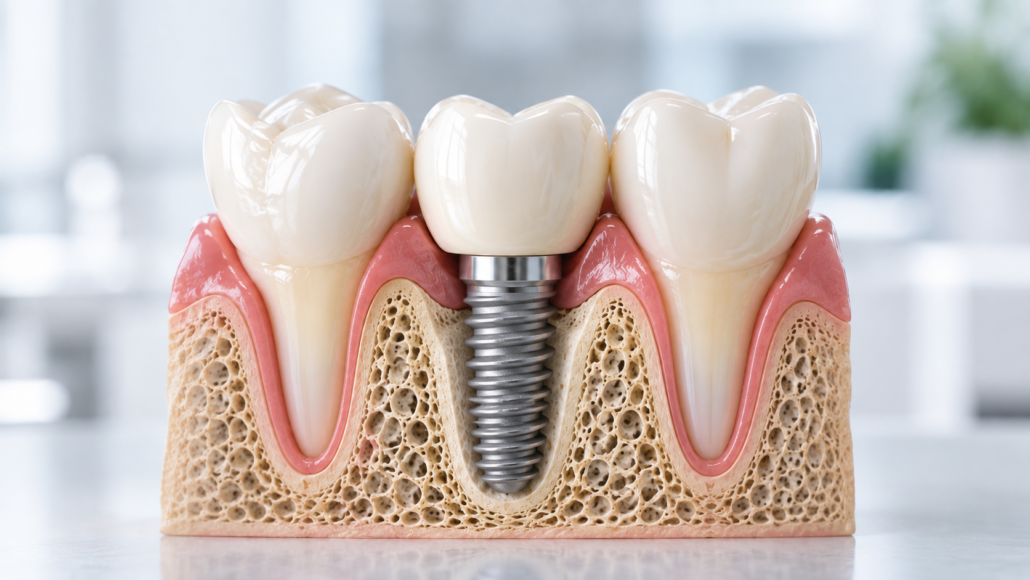
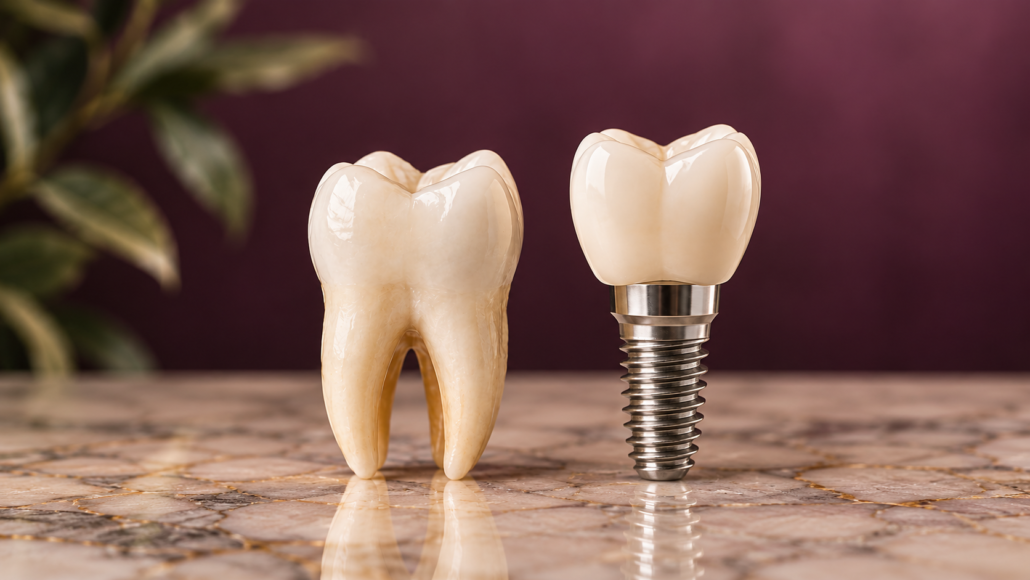
If you brush twice a day but rarely floss, you are probably wondering how much that second step really matters. The answer is less about floss itself and more about the surfaces your toothbrush cannot effectively clean.
I understand why people ask. Flossing can feel like one more thing you are supposed to do every day. It can be awkward. Some people have tight contacts between their teeth. Others have bridges, implants, braces, or spaces where ordinary floss simply is not the easiest tool to use.
So I do not think the most useful question is whether everyone must use a piece of string in exactly the same way every night.
The better question is: are you regularly cleaning the areas between your teeth that your toothbrush does not reach well?
That is an important part of general and preventive dental care because plaque does not only collect on the surfaces you can easily see. It also accumulates along the gumline and between neighboring teeth.
What does flossing actually do?
Dental plaque is a bacterial biofilm that continually forms on the surfaces of your teeth. Brushing mechanically disrupts much of it, which is why brushing is such an important part of daily oral hygiene.
But neighboring teeth create areas that are difficult for toothbrush bristles to clean effectively. Floss can pass through the contact between the teeth and clean along the side of each tooth, including the area close to the gumline.
The important part is not simply snapping floss through the contact and pulling it back out. The floss needs to adapt to the side of the tooth so it can actually disturb the plaque on that surface.
Flossing is not about checking a box. It is about cleaning tooth surfaces your toothbrush does not clean particularly well.
What does brushing miss between your teeth?
A toothbrush is very good at cleaning exposed surfaces when it is used properly. The challenge is the narrow area where two neighboring teeth meet.
Toothbrush bristles can clean around that area, but they cannot predictably sweep through a tight contact and clean the complete side surfaces of both teeth underneath it.
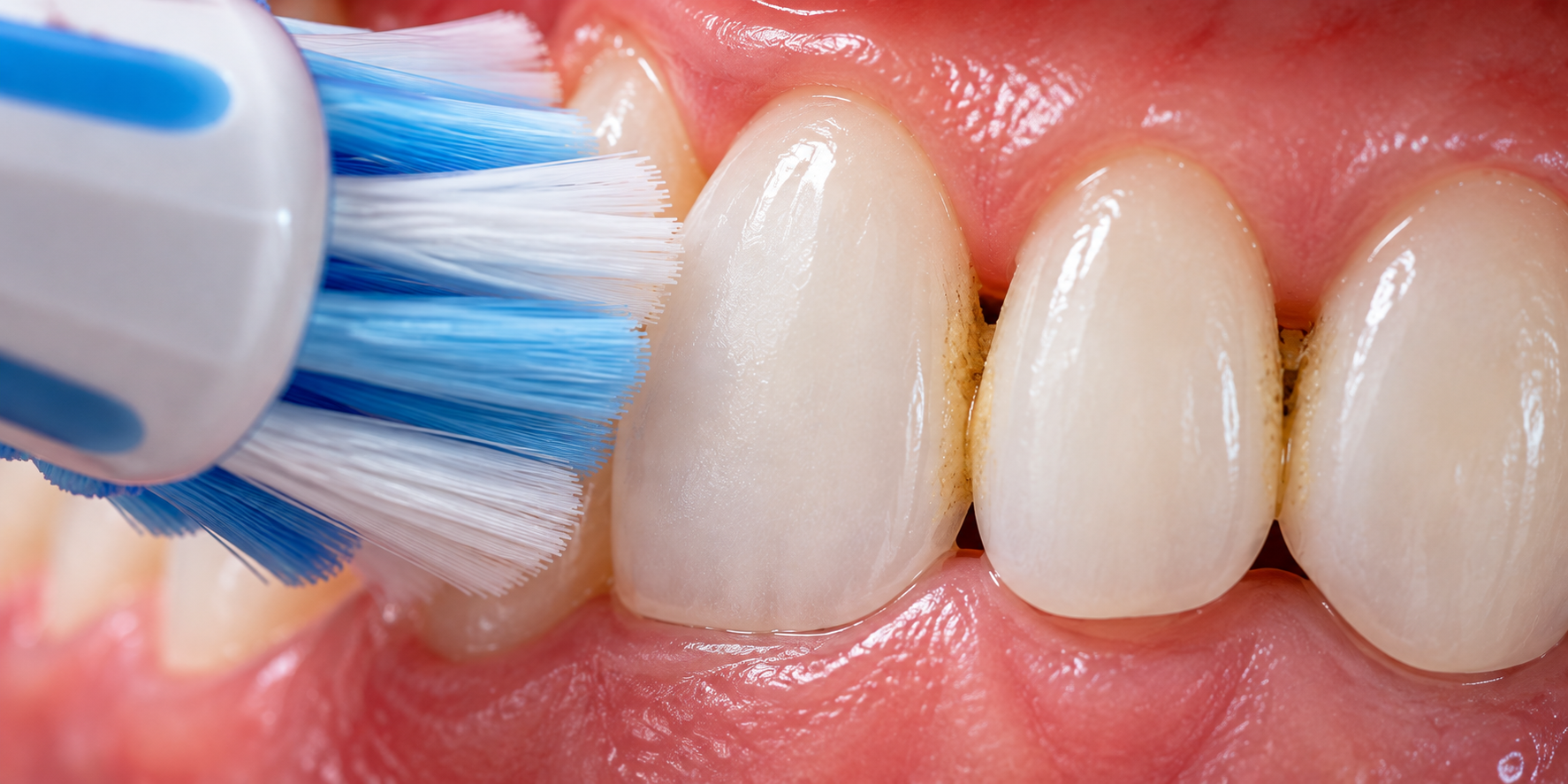
These areas matter for another reason. Cavities can develop between teeth where you cannot easily see them in the mirror. Your gums also extend into these spaces, so plaque that remains there can contribute to inflammation and bleeding.
This is one reason your dental exam includes an evaluation of both your teeth and your gums. Some changes between teeth are difficult to identify from what you can see or feel at home alone.
Do you really need to floss every day?
My practical answer is that I want interdental cleaning to become part of your regular daily routine.
But there is an important distinction here. Research on flossing is more nuanced than the simple statement that everyone who uses string floss every day will automatically have healthier gums.
Floss is technique-sensitive. If you quickly push it between the teeth without cleaning the side of each tooth, you may not accomplish very much. That helps explain why studies of ordinary unsupervised flossing have sometimes shown modest or inconsistent benefits.
On the other hand, research evaluating interdental cleaning more broadly supports cleaning between the teeth as an adjunct to toothbrushing, particularly for controlling gingival inflammation.
So I would not interpret the imperfect evidence for string floss as permission to ignore the spaces between your teeth. I would interpret it as a reason to make sure we are using the right tool and technique for your mouth.
What happens if you don't floss?
Missing one night is not going to suddenly ruin your teeth. What matters is the pattern over time.
Plaque remains between teeth
If those surfaces are not being cleaned by floss or another interdental tool, bacterial plaque can remain in areas your toothbrush does not clean effectively.
Your gums may become inflamed
Plaque along the gumline can trigger inflammation. The gums may become redder, more tender, or more likely to bleed when they are disturbed.
Problems can develop where you cannot see them
The surfaces between neighboring teeth are largely hidden from view. That means decay or changes in gum health can progress without an obvious spot you can see in the mirror.
Inflammation can become a longer-term problem
Gingivitis is an inflammatory response to plaque accumulation. If your gums repeatedly bleed or remain inflamed, I want to know why rather than simply accepting that as normal for your mouth.
This does not mean that every person who skips flossing will develop exactly the same problems. Your anatomy, spacing, existing dental work, gum health, brushing effectiveness, and other factors all matter.
Why do my gums bleed when I floss?
This is one of the most common reasons people stop.
They floss after not doing it for a while, see a little blood, and assume the floss injured the gums. Sometimes technique really is the problem. Forcing floss down into the gum can traumatize the tissue.
But bleeding can also be a sign that the gum tissue is already inflamed. In that situation, abandoning the area because it bleeds does not address the reason it is bleeding.
Often improves with better hygiene
Inflamed gums
Plaque accumulation can make gum tissue more prone to bleeding. Consistent, gentle cleaning and professional care can improve gingival health when plaque-induced inflammation is the cause.
Technique matters
Floss trauma
Snapping floss forcefully through the contact can cut into the gum. Floss should be guided gently between the teeth and adapted against the tooth surface rather than repeatedly striking the tissue.
If your gums continue bleeding despite consistent oral hygiene, or you notice swelling, tenderness, recession, persistent bad breath, or other changes, it is worth having your gum health evaluated rather than assuming you simply need to floss harder.
Is string floss the only way to clean between your teeth?
No. This is probably the part I wish more patients knew.
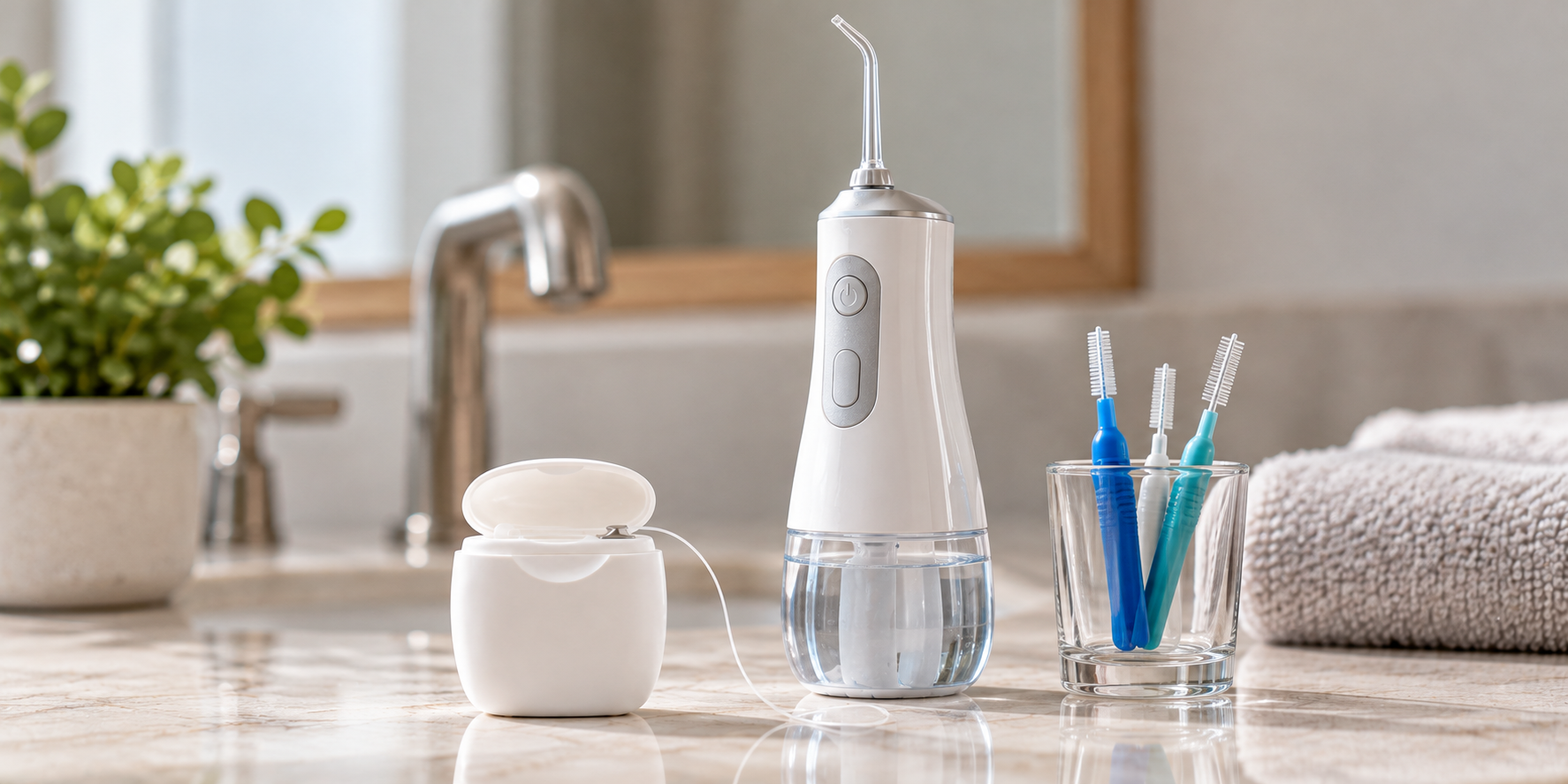
Different spaces can call for different tools. Traditional floss works well through tight contacts when you can use it correctly. An interdental brush may work better where there is enough space between teeth. A water flosser can be a practical option for someone who finds string floss difficult to manipulate.
Tight contacts
Traditional floss
Floss can pass through very tight contacts and adapt to the side of the tooth. It works best when you can comfortably control it and use the correct technique.
Open spaces
Interdental brushes
Small interdental brushes can be particularly effective where there is enough room for the brush to pass through without being forced. Choosing the right size matters.
Ease of use
Water flossers
Oral irrigators can be useful when traditional floss is difficult to use and can help reduce gingival bleeding and inflammation. They may also be helpful around certain dental restorations or appliances.
There is no prize for using the most difficult method. If you hate string floss so much that you never use it, I would rather help you find an interdental cleaning method you can realistically maintain.
How do you make flossing a habit if you hate flossing?
I would start by making the goal smaller and more practical. You do not need a complicated routine. You need one that you will actually repeat.
Choose a tool you can actually use
If ordinary floss is frustrating, ask whether a floss holder, water flosser, or interdental brush makes more sense for your mouth.
Make technique the priority
With string floss, guide it gently through the contact and curve it against one tooth at a time. The goal is to clean the tooth surface, not saw aggressively into the gums.
Attach it to something you already do
Keep your interdental cleaner where you brush and make it part of the same routine rather than something you have to remember separately later.
Do not let perfection stop consistency
If your routine has been inconsistent, the goal is not to feel guilty about yesterday. It is to build a routine you can keep doing tomorrow.
Let us show you what fits your mouth
At a preventive visit, we can look at your contacts, gum health, restorations, implants, or other dental work and recommend an interdental tool that makes sense for you.
The goal is not to become perfect at flossing.
I am much more interested in helping you keep your teeth and gums healthy than grading your flossing habits.
Brushing is essential, but there are surfaces between your teeth that deserve attention too. For some patients, traditional floss is a very good way to reach them. For others, an interdental brush or water flosser may be easier and more effective.
If you have never been able to make flossing work, tell us at your next visit. A good dental exam is not just about finding cavities. It is also an opportunity to look at your gums, your dental work, and the spaces between your teeth and figure out what kind of home care makes sense for your mouth.
Key takeaways
Clean between your teeth. The tool can vary.
- 01 Toothbrushing alone does not effectively clean every surface between neighboring teeth.
- 02 Regular interdental cleaning can help control plaque and gingival inflammation.
- 03 String floss is technique-sensitive, so how you use it matters.
- 04 Interdental brushes and water flossers are legitimate options for many patients and may be easier to use in certain areas.
- 05 Bleeding gums should not simply be ignored. Persistent bleeding can be a sign that your gums need attention.
Frequently asked questions
A few questions I hear most.
Is flossing actually supported by research?
The evidence is more nuanced than many people realize. A Cochrane review of home interdental cleaning devices found low-certainty evidence that adding flossing to toothbrushing may reduce gingivitis, while evidence for plaque and bleeding outcomes was inconsistent and often very low certainty. That does not mean cleaning between teeth is unimportant. It means the benefit depends in part on the device, technique, and individual patient.
Why isn't brushing alone enough?
Toothbrushes are designed primarily to clean accessible tooth surfaces and the gumline. The areas between adjacent teeth can be more difficult to clean effectively with a toothbrush alone. A contemporary review of mechanical oral hygiene identifies toothbrushing and interdental cleaning as the main mechanical approaches used to prevent periodontal disease, while emphasizing that recommendations should be tailored to the individual.
Are interdental brushes better than floss?
They can be, particularly where there is enough space for the brush to pass through comfortably. A meta-review of interdental plaque-control methods found moderate evidence that interdental brushes used with toothbrushing reduce plaque and gingivitis. The same review found weaker evidence for floss. The right choice still depends on the size and shape of the spaces between your teeth.
Is a water flosser as good as regular floss?
A water flosser is a reasonable interdental cleaning option, especially when string floss is difficult to use. A systematic review and meta-analysis of power-driven interdental cleaning tools found that liquid-based devices used with toothbrushing reduced interproximal bleeding compared with brushing alone. When compared with brushing plus flossing, the evaluated power-driven devices produced comparable interproximal plaque and bleeding outcomes.
Should I stop flossing if my gums bleed?
Bleeding does not automatically mean you should stop cleaning the area. Inflamed gum tissue can bleed when disturbed. In a randomized clinical trial evaluating flossing instruction and technique, both study groups showed reductions in interproximal bleeding from baseline, with greater improvement among participants who received specific flossing instruction. Technique matters, though. Floss should be guided gently rather than snapped into the gum. Persistent bleeding should be evaluated.
Is it better to floss before or after brushing?
Either sequence can work. A systematic review and meta-analysis comparing flossing before and after brushing found no statistically significant difference in plaque reduction between the two sequences. The evidence base was small, so I would focus more on doing both effectively and consistently than worrying about which one must come first.
What if I can't get floss between my teeth?
Do not force it. Very tight contacts, dental restorations, tooth position, or the type of floss can make an area difficult to clean. There are multiple interdental cleaning devices available, and a review of interdental cleaning aids found meaningful differences among floss, interdental brushes, oral irrigators, and other devices. The best tool depends on the anatomy of the area and what you can use safely and effectively.
Can I use an interdental brush every day?
Yes, when there is enough space for the correct-size brush to pass through without being forced. A systematic review of interdental brushes found that using an interdental brush in addition to toothbrushing improved plaque scores, bleeding scores, and probing pocket depth, and the majority of included studies favored interdental brushes over floss for plaque removal. Sizing is important because a brush that is too large can traumatize the tissue.
What is the best way to clean between dental implants or bridges?
The best tool depends on the restoration and the space around it. Standard floss is not always the easiest option around implants, under bridges, or in larger interdental spaces. A review of interdental cleaning methods notes that oral irrigators and interdental brushes are commonly preferred for cleaning around dental implants. For bridges or other restorations, I would rather show you how to clean the specific area than give you one universal rule.