A sip of ice water suddenly makes you stop. A tooth you never thought about before feels different. The important question is not just that it is sensitive, but why.
Tooth sensitivity is extremely common, but that does not make every sensitive tooth the same. Sometimes the explanation is fairly straightforward. The gum has receded slightly, some root surface is exposed, or you recently whitened your teeth.
Other times, sensitivity is the first clue that something has changed. A cavity may be developing. A restoration may no longer be sealing the tooth as it once did. A tooth may be cracked, or the nerve inside it may be irritated.
That is why I pay attention to the pattern. Is it cold? Sweets? Biting? Does the feeling disappear immediately, or does it continue after the trigger is gone? Is it one tooth or your whole mouth?
Those details often tell us much more than the word “sensitive” by itself.
Sensitivity is one of many changes we look for as part of general and preventive dental care. The goal is not simply to make the symptom disappear. It is to understand whether the tooth is healthy, needs treatment, or simply needs to be monitored.
What does tooth sensitivity actually mean?
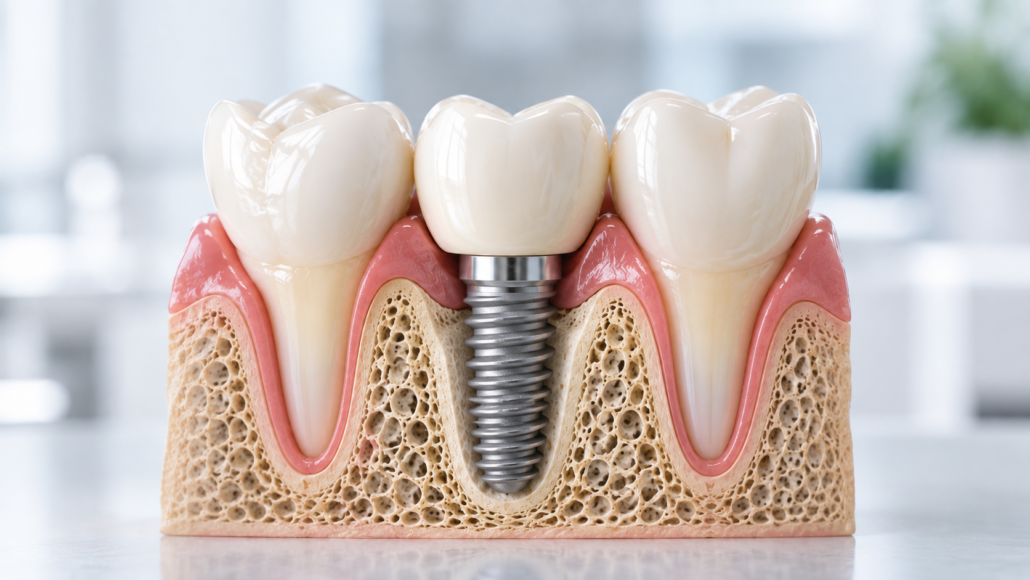
The outside of the crown of a healthy tooth is covered by enamel. Beneath that enamel is dentin, a less heavily mineralized layer containing microscopic tubules that communicate toward the center of the tooth.
Along the root, there is no enamel covering the dentin. Normally the gum tissue helps protect this area. If the gum recedes or the protective surface is lost, dentin can become exposed to temperature, touch, acidic foods, or other stimuli.
That can create the quick, sharp sensation people commonly describe as sensitive teeth.
Sensitivity tells us that a tooth is responding to something. The pattern helps us understand what that response may mean.
But exposed dentin is not the only possible explanation. Several dental conditions can create similar symptoms, which is why persistent or unusual sensitivity should not automatically be treated as “sensitive teeth.”
Why can teeth suddenly become sensitive?
Sometimes sensitivity seems to appear overnight even though the process behind it has been developing gradually. Other times there really has been a recent change.
Gum recession
As the gumline moves away from the crown of the tooth, part of the root surface can become exposed. That surface is more vulnerable to temperature and other triggers than enamel.
Enamel wear or erosion
Acid exposure and mechanical wear can gradually reduce the protection over the underlying dentin, making a tooth more responsive to cold, sweets, or touch.
Tooth whitening
Whitening can temporarily increase tooth sensitivity. This is usually different from discovering that one particular tooth suddenly hurts every time something cold touches it.
Decay
As a cavity progresses through the tooth, sensitivity can develop. Depending on its location and depth, you may notice cold, sweets, or other changes before you see anything yourself. When decay is still limited enough to restore conservatively, a tooth-colored dental filling may be all the tooth needs.
A crack or damaged restoration
A cracked tooth, fractured filling, or restoration that is no longer sealing properly can create sensitivity that feels very localized to one area. If part of the tooth has actually broken away, our article on repairing a chipped tooth explains how the depth of the fracture changes the treatment.
Changes inside the tooth
The pulp inside a tooth can become inflamed after decay, trauma, restorative treatment, or another injury. The way the tooth responds and how long that response lasts become important clues.
The cause matters because the treatment is very different. Toothpaste designed for dentin sensitivity may help an exposed root surface. It will not repair a cavity or a cracked tooth.
Why does gum recession make teeth sensitive?
Gum recession changes which part of the tooth is exposed to the mouth. The crown is protected by enamel. The root is not.
When the gumline recedes, the exposed root surface can allow temperature and other stimuli to affect the dentin more readily. That is why a tooth can suddenly feel sensitive near the gumline even when there is no cavity in that area.
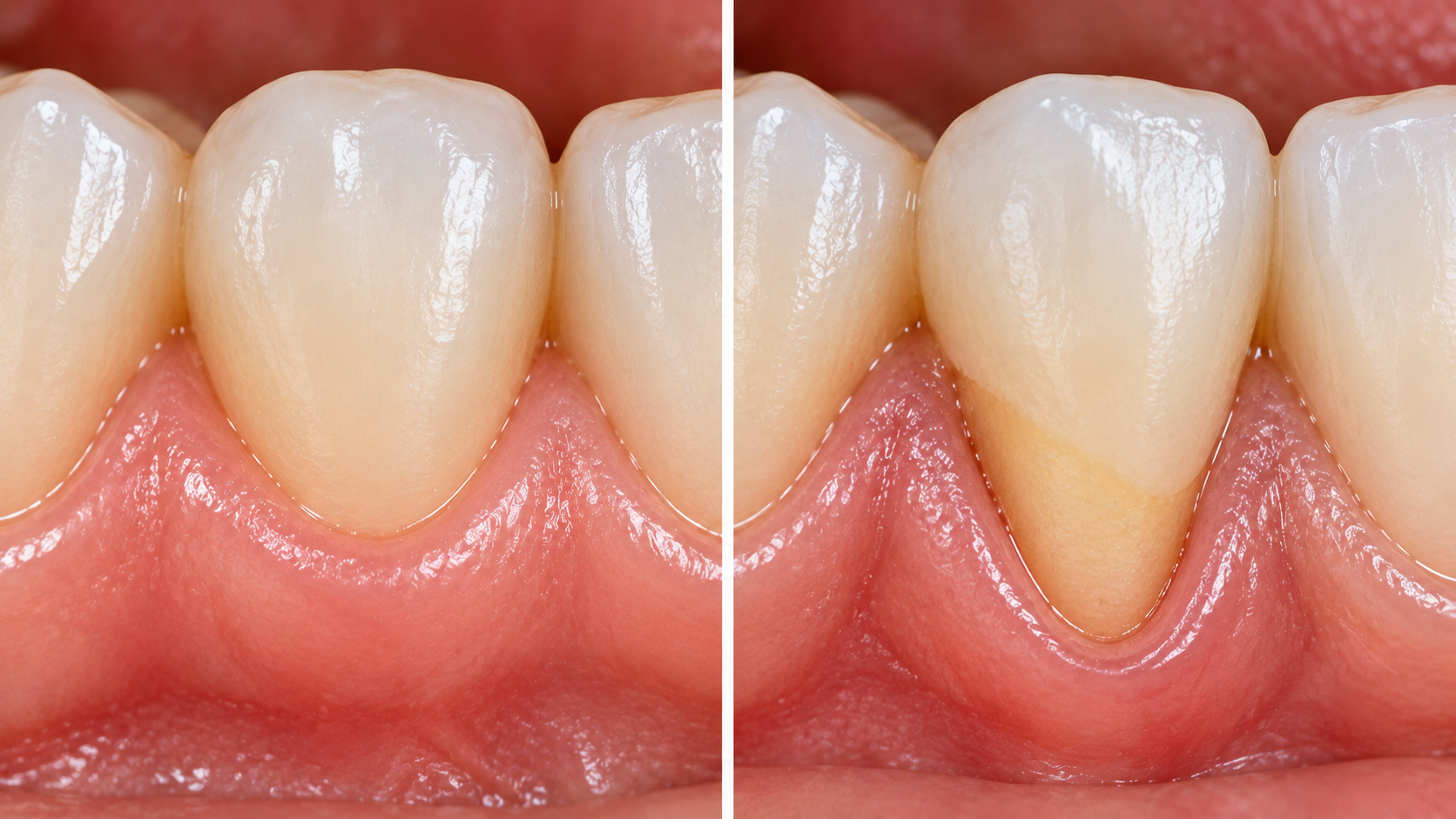
Recession itself also has more than one possible cause. The position of the tooth, gum anatomy, periodontal health, brushing habits, and long-term wear can all be part of the picture.
This is why I do not want to simply tell someone with recession to “brush softer” without first looking at what is actually happening.
Is brief sensitivity different from pain that lingers?
Yes. How long a tooth continues to hurt after the trigger is removed is useful information.
Often less concerning
Quick and gone
Cold touches the tooth, you feel a short sharp response, and the sensation disappears almost immediately after the cold is gone. This pattern can occur with exposed dentin and other relatively straightforward causes of sensitivity.
Worth a closer look
Lingering or spontaneous
The discomfort continues after the cold is gone, starts without an obvious trigger, becomes increasingly intense, or begins interfering with sleep. Those changes deserve evaluation because the pulp inside the tooth may be involved.
This is not a diagnosis you need to make for yourself. It is simply one of the reasons I ask patients very specific questions about what they feel and how long they feel it.
“It hurts with cold” is useful. “It hurts for thirty seconds after the cold is gone” tells me much more.
Does it matter whether one tooth is sensitive or several?
It can. Sensitivity throughout several areas of the mouth often makes me think differently than a new sensation that can be traced to one particular tooth.
- Several teeth react to cold Widespread sensitivity may occur with exposed dentin, gum recession, enamel wear, dietary acid exposure, or after whitening.
- One tooth suddenly reacts to cold A localized change makes me want to examine that tooth more closely for decay, a crack, an existing restoration, recession, or another source of irritation.
- One tooth hurts when you bite Pain with pressure or when releasing your bite is a different pattern from generalized cold sensitivity and can warrant evaluation for a crack or another structural problem.
- A tooth hurts without any trigger Spontaneous pain is not the pattern I would expect from ordinary dentin hypersensitivity and should be evaluated.
None of these patterns makes the diagnosis by itself. They simply help narrow the possibilities so we know what to investigate.
What can you do for sensitive teeth?
If the sensitivity is mild, brief, and spread across areas where dentin is exposed, there are conservative things we can consider before moving toward dental treatment.
Pay attention to the pattern
Notice whether the trigger is cold, sweets, brushing, or biting. Also notice whether the sensation disappears quickly or lingers afterward.
Do not scrub harder
Sensitivity is not a sign that the area needs more aggressive brushing. Keep the teeth clean, but use a gentle technique rather than trying to scrub the sensation away.
Consider a sensitivity toothpaste
Desensitizing toothpastes can reduce dentin hypersensitivity for many people, but they generally need consistent use rather than a single application.
Think about what recently changed
Whitening, a new oral-care routine, recent dental treatment, a change in diet, or an injury can provide useful context for when the sensitivity began.
Have persistent sensitivity evaluated
If one tooth remains sensitive, symptoms are getting worse, or the pain does not fit the typical quick response of exposed dentin, it is worth finding out why.
When should you have tooth sensitivity checked?
You do not need to assume that every cold sensation is a dental emergency. But you also should not have to keep avoiding one side of your mouth for months because a tooth hurts every time you drink something cold.
I would want to take a closer look if the sensitivity is new and persistent, isolated to one tooth, becoming stronger, lingering after the trigger is removed, occurring spontaneously, or accompanied by pain when you bite.
A visible crack, broken tooth, swelling, significant trauma, or severe pain changes the urgency. Those symptoms should be evaluated promptly. Our emergency dentistry page can help you understand when a dental problem deserves more immediate attention.
During a dental exam, we can look at the tooth, gumline, existing restorations, bite, and other possible sources of the sensitivity. When appropriate, dental imaging and pulp testing can help us distinguish ordinary dentin sensitivity from a problem occurring deeper within the tooth.
Sensitivity is a clue, not a diagnosis.
The good news is that many sensitive teeth do not need complicated treatment. Sometimes we are dealing with an exposed root surface, temporary whitening sensitivity, or another problem that can be managed quite conservatively.
But I do not want to assume that every sensitive tooth belongs in that category.
If something has changed, especially in one specific tooth, the useful question is why. Once we understand the source of the sensitivity, we can decide whether it needs treatment, can be managed conservatively, or simply needs to be watched.
Key takeaways
Tooth sensitivity is common. The pattern matters.
- 01 Exposed dentin from gum recession or enamel wear is a common reason teeth become sensitive to cold.
- 02 Whitening can temporarily increase sensitivity even when the teeth are otherwise healthy.
- 03 Sensitivity isolated to one tooth can deserve a closer look for decay, a crack, a restoration problem, or irritation inside the tooth.
- 04 A quick response that disappears when the trigger is removed is different from pain that lingers or begins spontaneously.
- 05 Desensitizing toothpaste can help true dentin hypersensitivity, but it cannot correct every cause of a sensitive tooth.
Frequently asked questions
A few questions I hear most.
Why are my teeth suddenly sensitive to cold?
One common explanation is exposed dentin. When enamel or gum tissue no longer protects the dentin as it once did, movement of fluid within microscopic dentinal tubules is thought to produce the characteristic short, sharp response to cold. An evidence-based review of dentin hypersensitivity describes this hydrodynamic mechanism and emphasizes that other dental conditions can produce similar symptoms. That is why new sensitivity should not automatically be assumed to be exposed dentin.
Can gum recession cause sensitive teeth?
Yes. Gum recession can expose root dentin that was previously protected by the surrounding tissue. In a large observational study of 3,551 adults across seven European countries, dentin hypersensitivity was significantly associated with gingival recession and erosive tooth wear. Recession is therefore one important finding we look for when someone develops sensitivity near the gumline.
Does sensitivity toothpaste really work?
Certain formulations can reduce dentin hypersensitivity. A 2023 systematic review and network meta-analysis of randomized clinical trials found evidence that several self-applied dentifrices reduce hypersensitivity pain, although effectiveness varies among formulations. The important limitation is that sensitivity toothpaste treats dentin hypersensitivity. It does not fix a cavity, crack, failing restoration, or other dental problem that happens to cause sensitivity.
Can whitening make my teeth sensitive?
Yes. Tooth sensitivity is a recognized side effect of dental bleaching. A 2025 systematic review and network meta-analysis of at-home bleaching found that higher concentrations of some peroxide formulations increased the risk or intensity of sensitivity compared with lower concentrations, although average sensitivity was mild across the evaluated protocols.
Why is only one tooth sensitive to cold?
One sensitive tooth can still have exposed dentin, but a localized symptom also makes it important to rule out other causes such as decay, a restoration problem, a crack, or inflammation inside the tooth. A review of the diagnosis and management of dentin hypersensitivity notes that several dental conditions can mimic hypersensitivity, which is why diagnosis involves excluding other causes rather than relying on the symptom alone.
Can a cracked tooth cause sensitivity?
Yes. Cracked teeth can produce variable symptoms and are not always obvious on a routine visual examination. A recent review of cracked tooth diagnosis describes cracks as incomplete fractures that can extend through dentin and sometimes involve the dental pulp. Because the symptoms are not identical in every patient, history, examination, bite testing, and other diagnostic methods may be needed to identify the problem.
Is tooth sensitivity common?
Yes, although estimates vary substantially depending on how sensitivity is defined and which population is studied. A systematic review and meta-analysis of 77 studies found a wide range of reported prevalence and estimated dentin hypersensitivity prevalence at 11.5% using its pooled modeling approach, with an average prevalence of 33.5% across included studies.
Should I ignore sensitivity if the pain goes away quickly?
Not necessarily. A brief, sharp response to a stimulus is characteristic of dentin hypersensitivity, but the diagnosis is made only after other dental causes have been excluded. Consensus recommendations for dentin hypersensitivity emphasize diagnosis and differential diagnosis before selecting treatment. If the sensitivity is new, persistent, worsening, or isolated to one tooth, it is reasonable to have it evaluated even if each individual episode is brief.
What ingredients in toothpaste can help sensitive teeth?
Several active ingredients have been studied. A network meta-analysis of 125 randomized clinical trials involving more than 12,000 participants found evidence of benefit for multiple desensitizing formulations, including products containing stannous fluoride, potassium compounds, arginine, and calcium sodium phosphosilicate. Which product makes sense still depends on whether the sensitivity is actually coming from exposed dentin rather than another dental problem.