You may notice it first in an old photograph. Your lower front teeth used to form a relatively smooth line, but now one seems to be turning inward. Maybe two teeth have started overlapping. A space looks different than it used to. If you had braces when you were younger, the change can be even more surprising because you thought the problem had already been corrected.
Teeth are not permanently locked into the positions they occupied at age 20 or 30. The teeth, periodontal tissues, bone, bite, and dental arches continue to change throughout life. That means alignment can change too.
Some of those changes are gradual and expected. Others deserve a closer look because tooth movement can also be associated with changes in the bite, tooth loss, or the tissues supporting the teeth.
Noticing that a tooth moved tells us what you can see. Understanding why it moved tells us what to do next.
Why do teeth shift as you get older?
There is rarely one explanation that applies to everyone. Tooth position is influenced by the dental arches, neighboring teeth, opposing teeth, the bite, periodontal support, and dental work that may have changed over the years.
That is why two people who both say, "My teeth are shifting," may actually have very different things happening.
Normal changes over time
Dental arches and tooth positions can continue to change during adulthood. One of the places these changes commonly become visible is among the lower front teeth.
Orthodontic relapse
Teeth moved with braces or clear aligners can move again after treatment. Retainers are used to help maintain the positions created during orthodontic treatment.
Changes in your bite
Tooth wear, restorative dentistry, tooth loss, and changes in tooth position can alter how the upper and lower teeth relate to one another.
Missing teeth
When a tooth is lost, the space does not exist independently from the rest of the mouth. Neighboring and opposing teeth can change position after tooth loss.
Changes in periodontal support
The gums and bone surrounding the teeth help support their positions. When that support is compromised by periodontal disease, tooth migration can become part of the clinical picture.
Why are my bottom teeth becoming crowded?
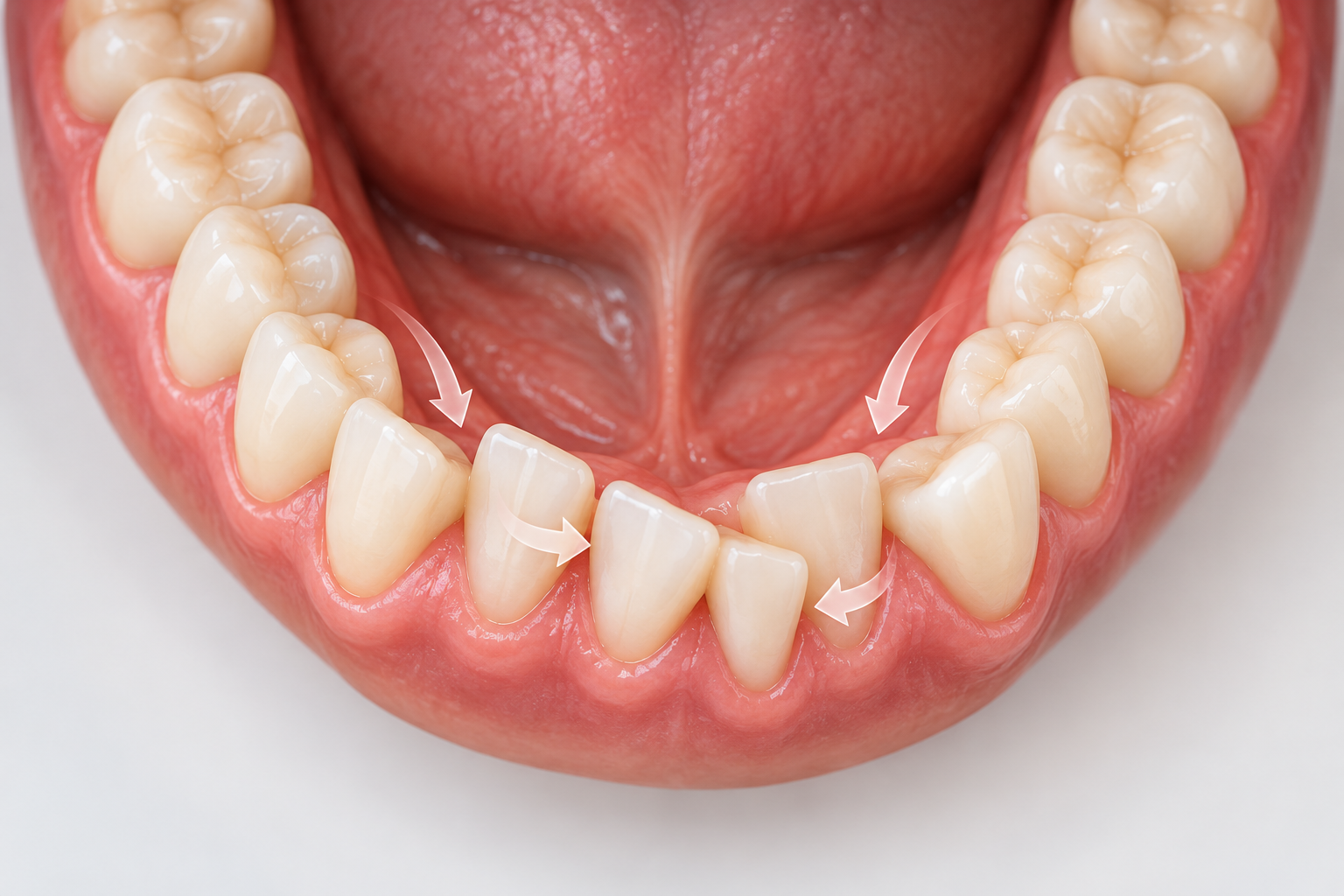
Lower front teeth are one of the most common places adults notice a change. A tooth that once looked straight may begin rotating. The incisors may overlap slightly. The smooth line across the front of the arch may simply look less even than it did years ago.
Long-term studies of untreated teeth show that lower incisor alignment can change as people age. The dimensions of the dental arch can change as well. In other words, late crowding does not necessarily mean that something suddenly pushed the teeth out of place.
This is also why wisdom teeth should not automatically get the blame. Lower front tooth crowding is multifactorial. The presence of wisdom teeth alone does not provide a simple explanation for why the front teeth have become crowded.
What matters clinically is the amount of crowding, whether it is still progressing, the available space, the bite, previous orthodontic treatment, and the health of the tissues supporting the teeth.
Why are my teeth shifting if I already had braces?
This can be particularly frustrating. You went through orthodontic treatment, your teeth were straight, and perhaps they stayed that way for years. Then one day you notice that they are beginning to move again.
Orthodontic treatment moves teeth into new positions, but finishing treatment does not make those positions permanently self-maintaining. Retainers are an important part of preserving the result.
If a retainer is lost, broken, no longer fits, or has not been worn for a long time, some movement may occur. Long-term changes can also occur in the dentition as adults age, which is one reason retention remains important well after active orthodontic treatment ends.
- Your old retainer no longer fits. Do not force a retainer over teeth that have substantially changed position. Have the amount of movement evaluated first.
- You stopped wearing your retainer years ago. Relapse can occur gradually enough that the change is not obvious until one or more teeth begin looking noticeably crowded.
- You have noticed movement despite long-term retention. Retention helps maintain orthodontic results, but the mouth itself continues to change over time.
When the teeth and supporting tissues are healthy, clear aligners may be one option for correcting orthodontic relapse. The appropriate treatment depends on which teeth moved and the type of movement needed.
You can learn more about adult clear aligner treatment on our Invisalign page.
Can a missing tooth cause other teeth to shift?
Tooth loss can change the relationships around the open space. Depending on which tooth is missing and the surrounding conditions, neighboring teeth may tip or drift, while a tooth in the opposite arch can move when it no longer has the same opposing contact.
This is one reason a missing tooth is considered in the context of the entire bite rather than simply as an empty space that needs to be filled.
If you have both a missing tooth and teeth that need orthodontic movement, treatment sequence becomes especially important. In some cases, the teeth need to be moved into their intended positions before the final size and location of the restorative space can be determined.
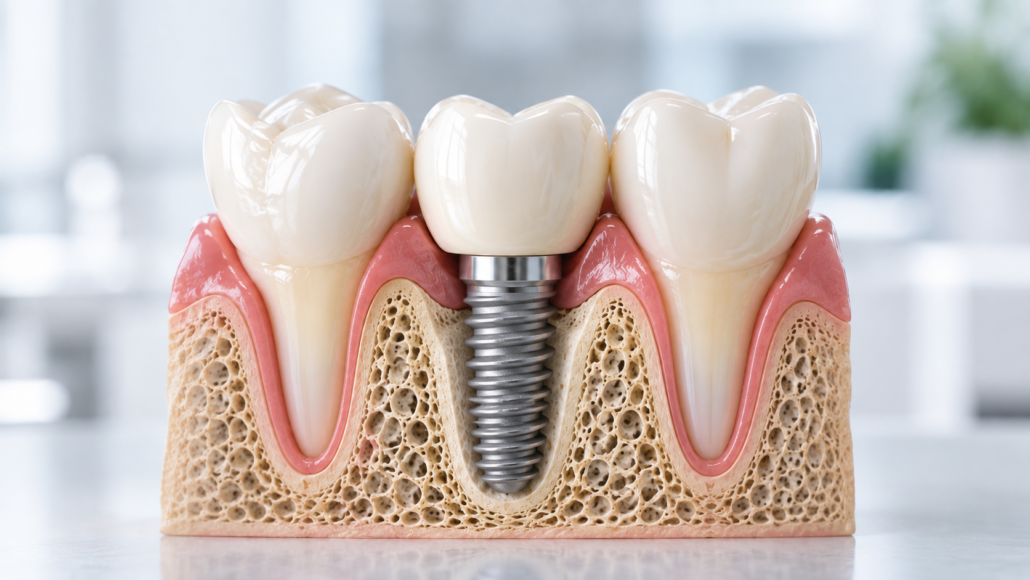
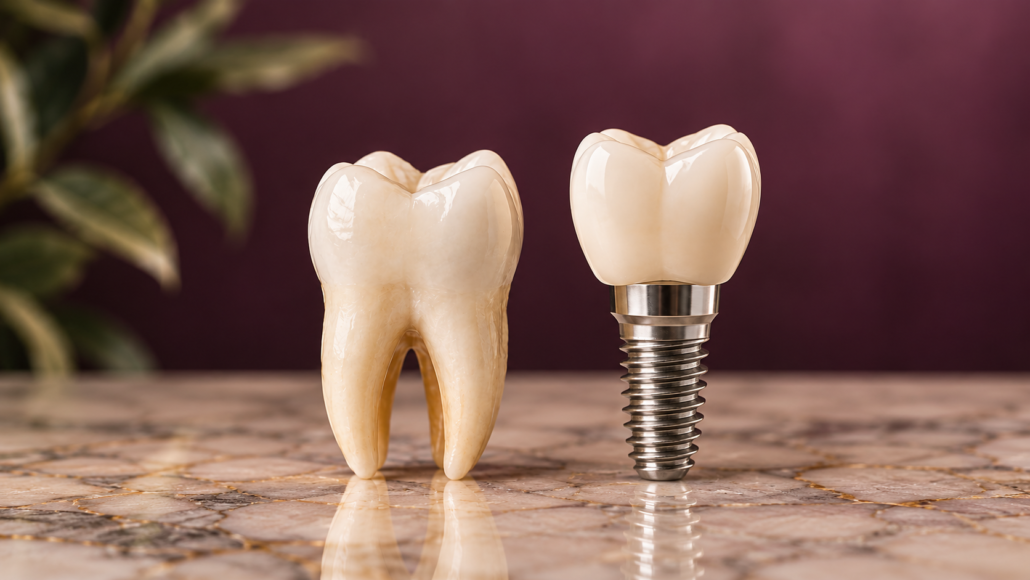
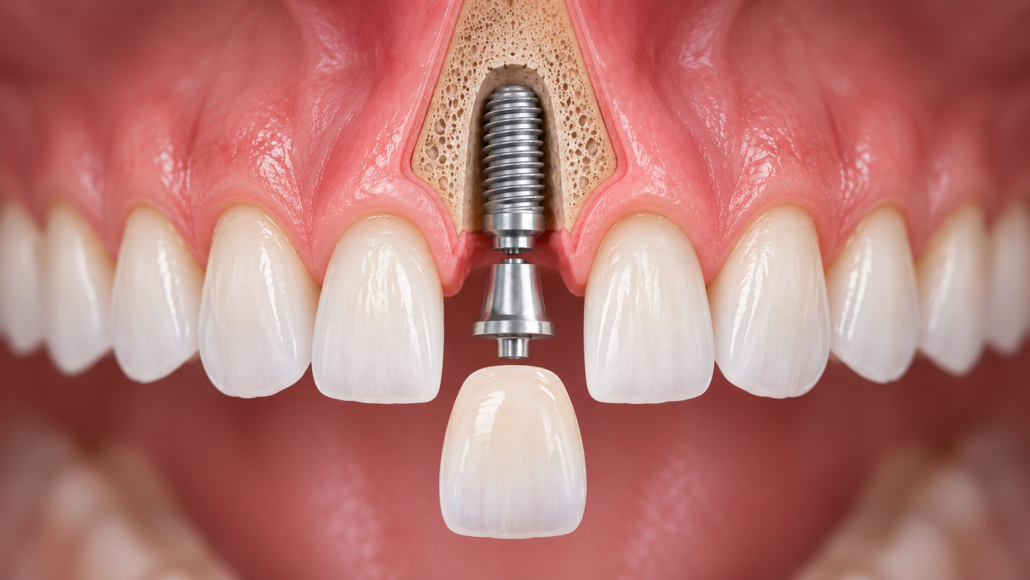
Our dental implants page explains options for replacing missing teeth. If you already have an implant and are considering orthodontics, read Can You Get Invisalign With Crowns, Veneers, or Dental Implants? for more about how existing restorations affect orthodontic planning.
When shifting teeth deserve a closer look
Not every change in tooth position is simply an orthodontic issue. Periodontal disease can compromise the tissues and bone supporting the teeth, and tooth migration can occur when that support changes.
That does not mean a slightly rotated lower incisor should automatically make you worry about gum disease. It does mean that the pattern and speed of the movement matter.
Movement deserves a broader dental evaluation when it is accompanied by loose teeth, rapidly developing spaces, bleeding or swollen gums, gum recession, or a noticeable change in the way the teeth come together.
- A tooth feels loose. Mobility is different from simply noticing that a tooth looks slightly more rotated than it used to.
- A new space is appearing quickly. Rapid or progressive spacing deserves evaluation rather than being assumed to be a normal part of aging.
- Your gums have changed too. Bleeding, swelling, recession, or other periodontal changes make the health of the supporting tissues especially important.
- Your bite suddenly feels different. A noticeable change in how the teeth meet can provide another clue that more than simple crowding may be occurring.
The purpose of evaluating these changes is not to make ordinary tooth movement sound alarming. It is to make sure we are treating the cause of the movement rather than only correcting what is visible.
What does "my teeth are shifting" actually mean?
Patients use the phrase to describe several different changes. Separating those changes is useful because not all of them point toward the same treatment.
Mostly alignment
Crowding or rotation
A front tooth has turned, two teeth are beginning to overlap, or the arch looks less even than it once did.
Look beyond alignment
Spacing, looseness, or bite change
New spaces, mobile teeth, movement around a missing tooth, or a bite that suddenly feels different deserve a broader evaluation before assuming the problem is cosmetic.
Once we know which type of change is occurring, it becomes much easier to determine whether the next conversation is primarily about orthodontics or whether another dental issue should be addressed first.
What should you do if your teeth are shifting?
Straightening the visible tooth is not necessarily the first step. The first step is determining what changed, whether the movement is still progressing, and whether the teeth and supporting tissues are healthy.
From there, treatment becomes much more individualized.
Identify the change
Determine which teeth moved, what type of movement occurred, and whether the change appears gradual or relatively recent.
Check the foundation
Evaluate the teeth, gums, supporting bone, existing dental work, missing teeth, and bite before planning orthodontic movement.
Decide what actually needs correcting
A small amount of relapse can require a very different plan from significant crowding, spacing, or a larger bite change.
Plan for retention
If the teeth are straightened again, maintaining their new positions should be part of the treatment conversation from the beginning.
Orthodontic treatment at our practice is provided by Dr. Edward Viloria. Depending on what has changed, treatment may involve Invisalign, braces, retention, or addressing another dental condition before orthodontic movement begins.
Can Invisalign straighten teeth that have shifted with age?
Invisalign may be an option for adults whose teeth have shifted, but age by itself does not determine whether clear aligners are appropriate. The movements required and the health of the teeth and surrounding tissues matter more.
Someone with mild lower front tooth crowding after previous orthodontic treatment may need a relatively focused correction. A patient with significant bite changes, missing teeth, periodontal concerns, or extensive restorative dentistry may need a more coordinated plan.
Clear aligners can accomplish many orthodontic movements, but different movements have different levels of predictability. That is why treatment is planned around the entire bite rather than simply creating a digital simulation in which one crooked tooth looks straight.
The tooth you notice may be only one part of the change. The treatment plan still has to make sense for the whole mouth.
Key takeaways
Teeth can move throughout adulthood. The reason they moved helps determine what happens next.
- 01 Lower front tooth crowding can become more noticeable as adults get older, even in untreated teeth.
- 02 Teeth can move again after braces or Invisalign, which is why long-term retention matters.
- 03 Tooth loss and changes in the bite can alter the relationships between surrounding teeth.
- 04 Loose teeth, rapidly developing spaces, or tooth movement with gum changes deserve a broader dental evaluation.
- 05 Invisalign or braces may be able to correct shifting teeth, but treatment should be based on the cause of the movement and the health of the mouth.
Frequently asked questions
Shifting teeth as you get older, answered.
Is it normal for teeth to shift as you get older?
Some change in tooth position can occur throughout adulthood. A long-term study of untreated subjects found that lower incisor irregularity increased over time while mandibular arch dimensions decreased with age . Gradual crowding can therefore occur even without previous orthodontic treatment. Rapid movement, looseness, or new gum changes should still be evaluated rather than attributed to aging alone.
Why are my bottom teeth becoming crowded?
Lower front tooth alignment can change over many years. In a study with follow-up into late adulthood, untreated subjects showed increasing lower-incisor irregularity and space deficiency with age . Your own crowding may also be influenced by previous orthodontics, the bite, tooth loss, and periodontal health, so the individual pattern still matters.
Do wisdom teeth cause the front teeth to crowd?
Wisdom teeth are often blamed, but the evidence does not support such a simple cause-and-effect relationship. A systematic review of mandibular third molars and lower anterior crowding found that most included studies did not support third molars as the cause of anterior crowding and did not justify removing them solely to prevent crowding or orthodontic relapse.
Why did my teeth move after braces?
Teeth can change position after orthodontic treatment, which is why retention is part of orthodontic care. Long-term follow-up has documented increasing mandibular anterior crowding years after orthodontic treatment . Retainers help maintain the positions created during treatment, but long-term stability varies between individuals.
Can gum disease make teeth move?
Yes. Periodontal disease can disturb the support that helps maintain tooth position. Research in patients with periodontitis has documented pathologic tooth migration associated with periodontal disease . Tooth movement accompanied by looseness, new spacing, bleeding, swelling, or other gum changes deserves evaluation.
Can a missing tooth make nearby teeth shift?
Tooth loss can be followed by positional changes in the surrounding bite. For example, research on posterior tooth loss has documented supraeruption of unopposed posterior teeth after loss of their opposing contact . The amount and type of movement vary, which is why the surrounding teeth and bite are considered when planning how to replace a missing tooth.
Can Invisalign fix teeth that shifted after braces?
It may be able to. The answer depends on which teeth moved, how far they moved, the type of movement required, and the health of the supporting tissues. A systematic review of clear aligner tooth movement found that aligners can align and level dental arches, although the predictability varies depending on the specific movement.
Should I wear my old retainer if my teeth have shifted?
If your retainer no longer fits, do not force it over teeth that have significantly changed position. Have the movement evaluated first. Retention is specifically intended to help maintain tooth position after orthodontic treatment, and a systematic review of orthodontic retention evaluated retention strategies according to their ability to limit relapse after active treatment.
At what age is it too late to straighten shifting teeth?
There is not one birthday after which orthodontic tooth movement automatically becomes impossible. Adult treatment requires attention to periodontal health, existing dental conditions, and the movements being planned. Research on age-related differences in the tissues involved in orthodontic tooth movement shows that aging can affect alveolar bone remodeling, which is one reason adult orthodontic treatment should be planned around the individual rather than age alone.